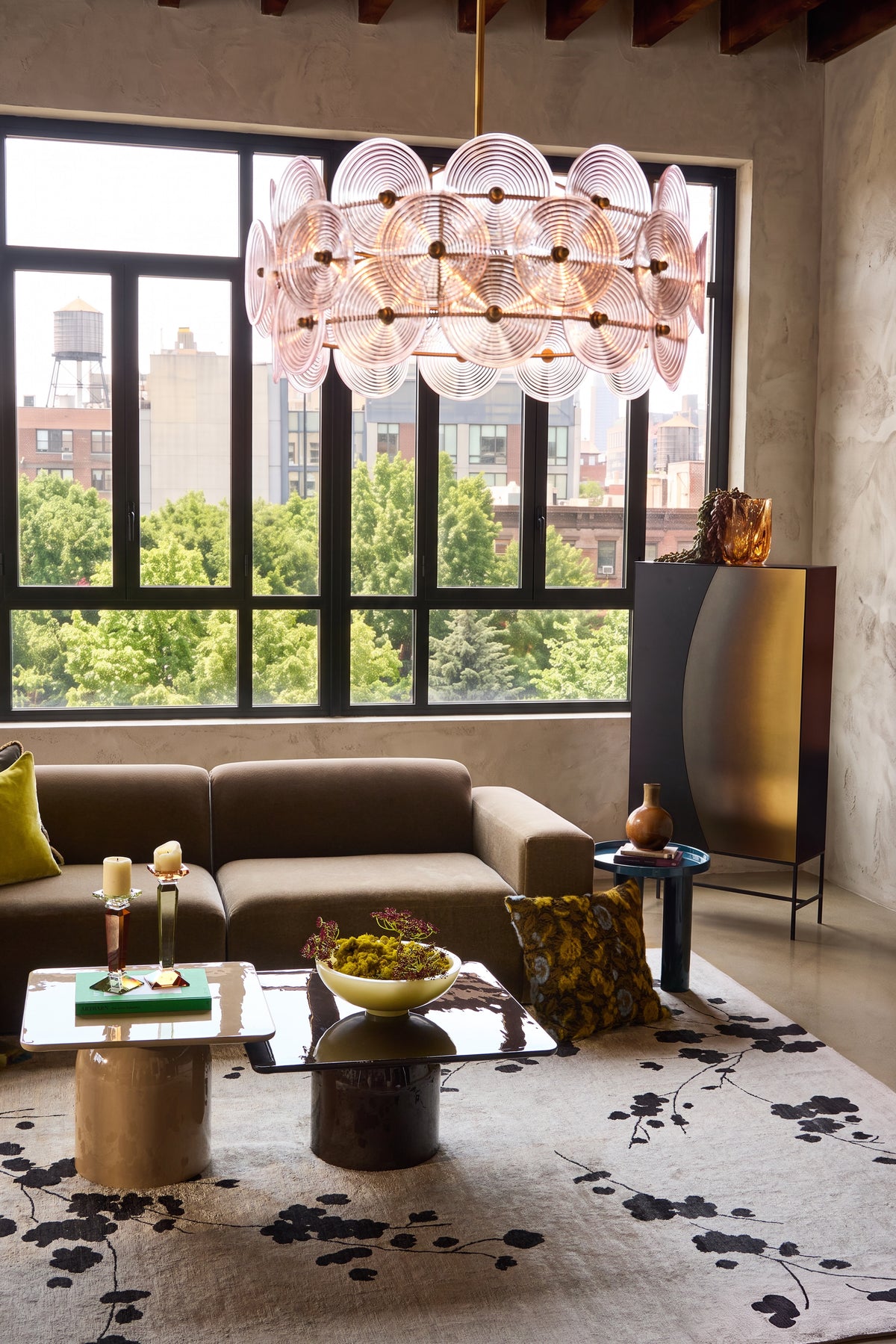

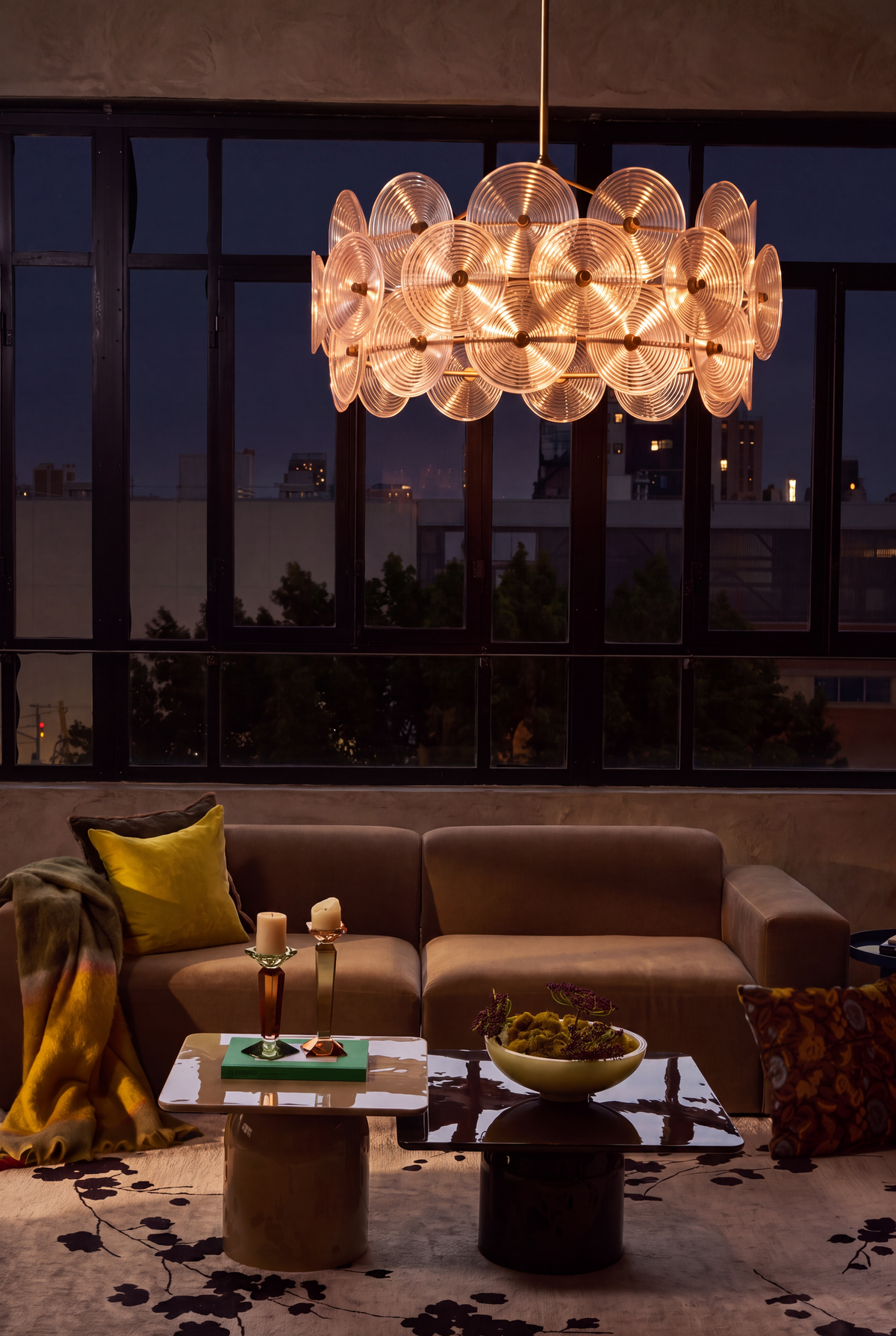






A sofa is not furniture in the ordinary sense. It is the center of gravity of a home — the place where people gather, where evenings are spent, where a room defines its character. Choosing one deserves the same consideration you would give any object that will live closely with you for years.
Choosing a Sofa That Fits Your Lifestyle
At abc, we have always believed that the best sofa is not the most beautiful in isolation, but the one that belongs most fully to its room and its life. That understanding begins not with style, but with use. For many homes, the conversation naturally becomes one of sofa vs sectional — not simply a matter of size, but of how people gather and move through a space.

Begin with Honesty About Your Life
How will this sofa actually be lived in? A household with children and pets needs something different than a quiet apartment used primarily for reading. A household that hosts often needs different depth and coverage than one that prizes calm. The most beautiful sofa in the wrong material becomes a source of anxiety rather than comfort; the right material, chosen for your actual life, becomes a source of daily pleasure.
Performance Fabrics vs Natural Fabrics
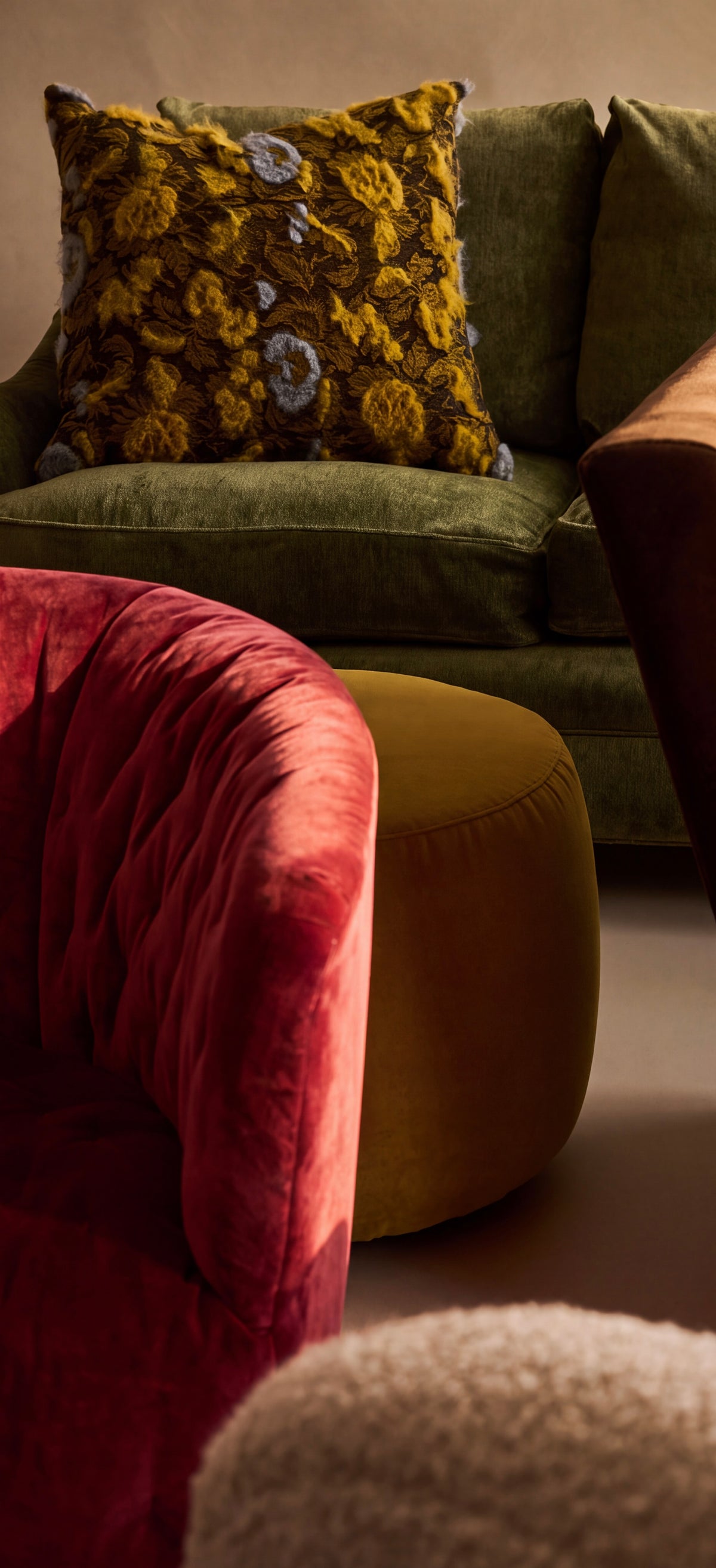
Performance fabrics have come a long way from their utilitarian origins — today they resist stains and abrasion while still offering the texture and richness of more temperamental materials. Bouclé, with its looped, dimensional surface, holds its shape beautifully and rewards the eye with depth. Linen brings a relaxed, natural quality, though it may crease and wear more visibly over time. Velvet, when the life allows for it, is nothing short of magnificent.

The Frame: What Is Not Seen Determines What Endures
The interior of a sofa matters more than the exterior suggests. A frame built of kiln-dried solid hardwood, joined with mechanical precision — dowels, corner blocks, careful craftsmanship — will remain solid and supportive for a decade or more. A frame built to look impressive and priced to sell will sag and shift within a few years. Ask about construction before you ask about color.

Scale and Proportion
A sofa should anchor a room without overwhelming it. Before falling in love with any particular piece, measure — not just the available wall space, but the clear walkways you will need (at least 30 inches), the depth of the sofa relative to the room, and whether it can actually pass through your front door on delivery day. In a room of 12 by 14 feet, a three-seat sofa in the six to seven and a half foot range works comfortably; a generous sectional may close the room in on itself.
Sofa vs Sectional
A thoughtful sectional sofa guide will always emphasize proportion first. The best sectional for small space living is rarely the largest possible option, but the one that allows the room to remain open, breathable, and easy to move through.
Choosing a Sofa for Small Spaces
For apartment living, the best sectional sofa for small apartments is often one with a lighter visual profile — raised legs, slimmer arms, and proportions that feel generous without becoming imposing.
The ongoing discussion around sofa vs sectional pros and cons usually comes down to flexibility versus immersion: a sofa offers openness and adaptability, while a sectional creates a more enclosed and communal atmosphere.
The question of sofa or sectional for open floor plan homes is equally architectural. In many open layouts, a sectional can quietly define zones without the need for walls, anchoring the living area while still allowing the eye to move freely through the space.


