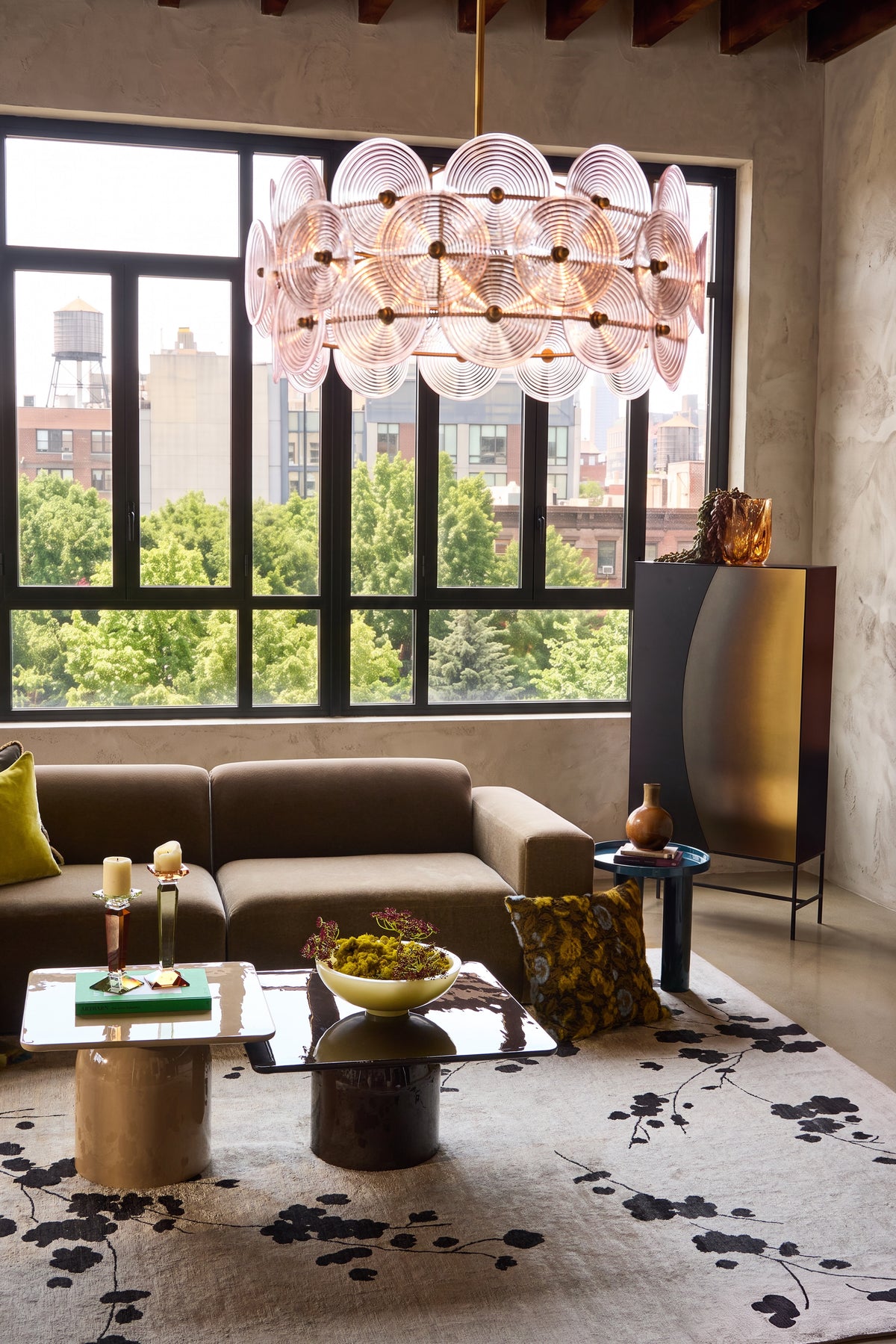
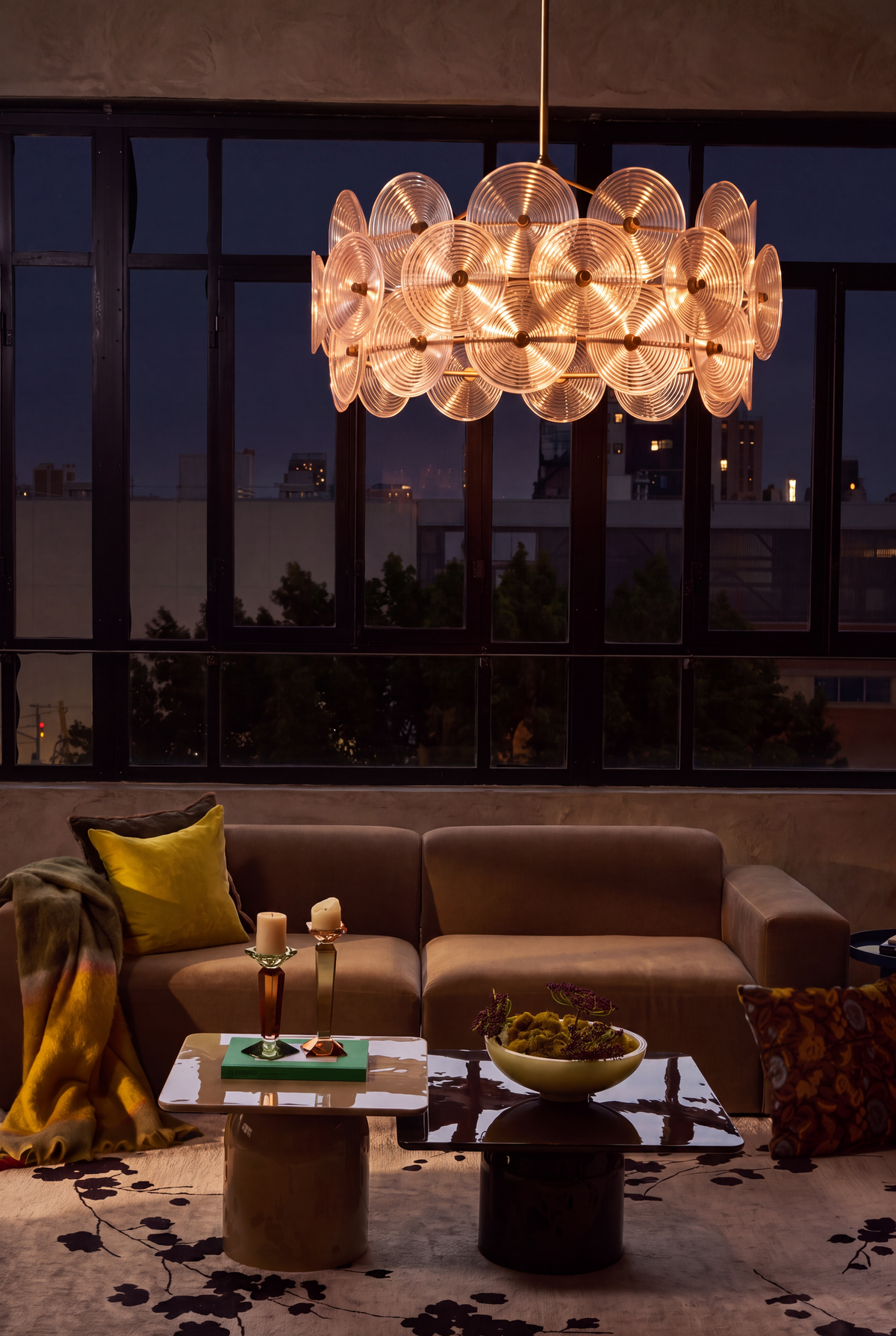
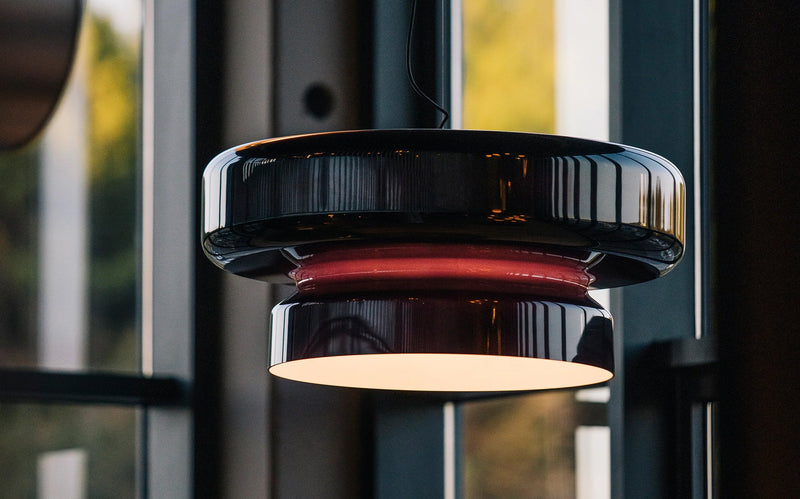
Lighting shapes how a space feels, and pendant lighting plays a central role in creating that atmosphere. Suspended from the ceiling, pendants offer a balance of form and function, providing focused light while adding visual presence. When chosen with care, they become quite focal points that bring intention and warmth to a room.
Where Pendant Lighting Works Best
Pendant lighting adapts easily to different areas of the home. Hanging individually or in groups, pendants can define spaces without overwhelming them.
Common uses include:
Above kitchen islands and counters
Over dining tables and breakfast nooks
In entryways to create a welcoming first impression
As bedside lighting for a softer, layered effect
Each placement allows pendant lighting to support daily routines while contributing to the overall design.
Design That Complements the Space
The character of pendant lighting comes from its shape, material, and finish. Simple silhouettes create calm, while sculptural forms introduce subtle interest. Glass, metal, and natural textures each interact with light differently, allowing pendants to blend into neutral interiors or stand out with quiet confidence.
Rather than competing with furniture or architecture, well-chosen pendants work in harmony with the space around them.
Creating Balance Through Layered Lighting
Pendant lighting is most effective when used as part of a layered lighting plan. Paired with floor lamps, table lamps, or wall lighting, pendants help create depth and flexibility. This approach allows rooms to shift easily from functional brightness to relaxed ambiance throughout the day.
Choosing Pendant Lighting with Intention
Selecting pendant lighting is as much about proportion and placement as it is about style. The right scale, hanging height, and light output ensure the fixture enhances how the space is used, not just how it looks.
Explore our pendant lighting collection to find pieces designed to bring clarity, comfort, and considered design into your home.