Each type below reflects a different combination of construction, age and design character. Some are defined by technique (flatweaves, overdyed rugs), some by age (vintage, antique) and some by origin or look (Moroccan, traditional, contemporary).
Contemporary & Modern Rugs
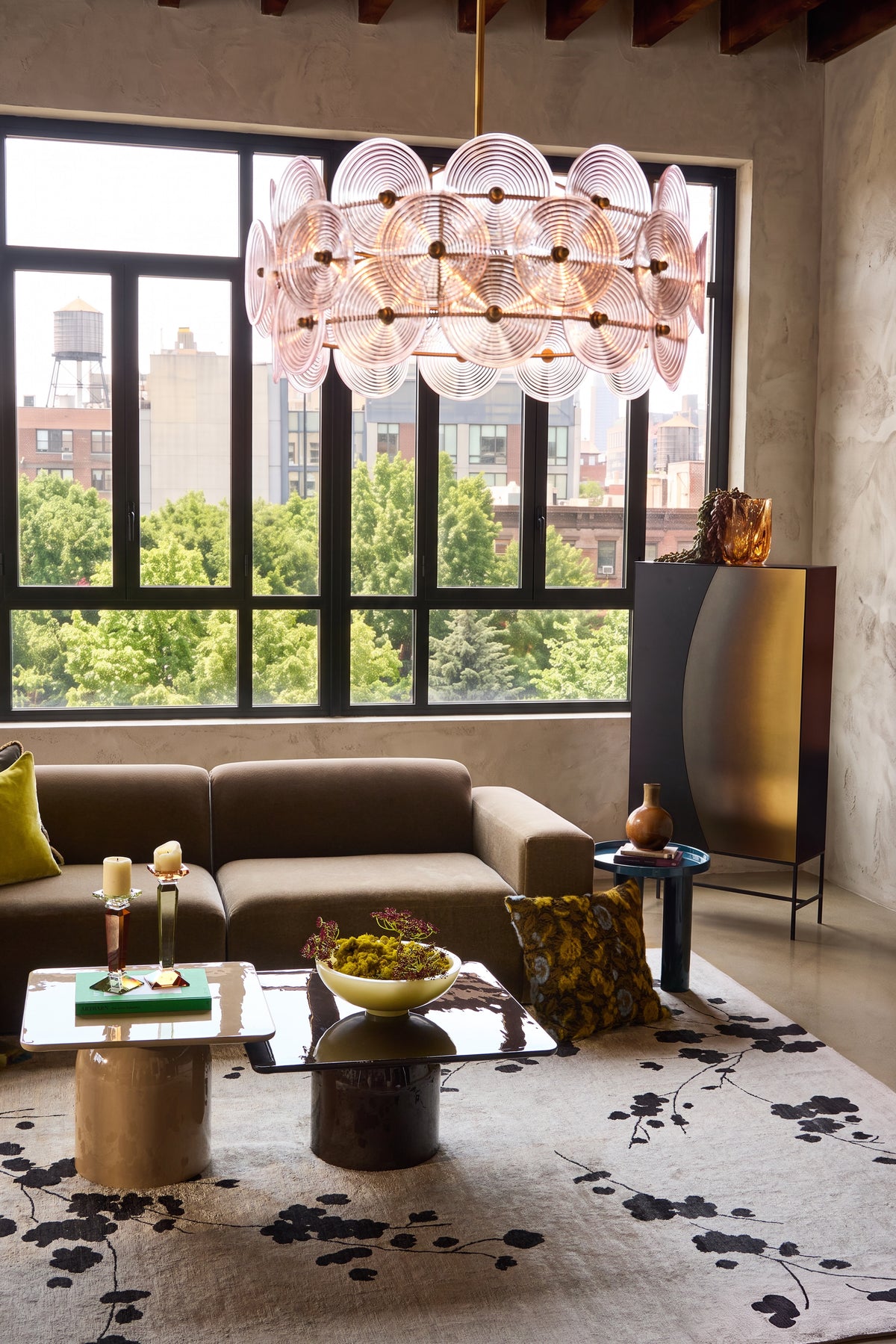
Clean lines, abstract compositions and geometric or minimalist patterns definecontemporary and modern rugs. Ours are handcrafted in wool and silk, with palettes that range from quiet neutrals to high-contrast color. Many draw on mid-century, Art Deco or graphic influences, and some reinterpret classic patterns through distressing or unexpected color.
Traditional Rugs
Traditional rugs draw on Persian, Oriental and classical European motifs: central medallions, all-over florals, and detailed borders. They bring structure and warmth to formal living and dining rooms, and they pair naturally with antique and period furniture.
Transitional Rugs
Transitional rugs sit between traditional and contemporary design, often softening a classic motif with a muted palette or a looser, abstracted layout. They're the most flexible choice when a room mixes old and new pieces.
Vintage Rugs
Vintage rugs are pre-owned, hand-knotted and handwoven pieces sourced from weaving regions around the world. Each has its own wear, patina and color shifts from decades of use, which is what gives vintage rugs their lived-in character. Every piece is one of a kind.
Antique Rugs
Antique rugs were handcrafted by artisans more than a century ago. They carry the dyes, weaving techniques and regional patterns of their time and place, which makes them as much collectible textiles as floor coverings. Browse both categories together invintage and antique rugs.
Moroccan Rugs
Rooted in the weaving traditions of the Berber tribes of North Africa,Moroccan rugs range from plush, cream-ground Beni Ourain rugs with dark linear patterns to colorful, asymmetrical Azilal rugs, saturated Boujad rugs and recycled-fiber Boucherouite rugs. The high-pile styles add texture and softness; the colorful ones work well in eclectic and bohemian rooms.
Flatweave & Kilim Rugs
Flatweave and kilim rugs are woven without pile, so they're thin, light and easy to move or layer. Kilims use a slit-weave technique that produces sharp geometric patterns; the wider flatweave family also includes dhurries and soumaks. They suit hallways, dining rooms and other high-traffic spaces.
Overdyed Rugs
Overdyed rugs start as vintage hand-knotted rugs that are washed, faded and re-dyed in a single saturated color, often blue, green, pink or grey. The original pattern stays faintly visible under the new hue. The collection includes abc carpet & home's exclusive Samsara line.
Solid & Textured Rugs
Solid and textured rugs rely on weave, pile and tone rather than pattern. Expect subtle tonal variation, carved orhigh-low textures and rich natural fibers. They ground busy rooms and let furniture and art take the lead.
Shop Rugs by Material
Wool rugs: naturally resilient, soft and long-lasting. The most versatile fiber for living rooms and bedrooms.
Silk rugs: lustrous with fine detail. Best in lower-traffic rooms where the sheen can be seen.
Cotton rugs: lightweight and easy to maintain; common in flatweaves and dhurries.
Blended rugs: combine fibers, such as wool and silk, for added durability, texture or sheen.
How to Choose the Right Rug Type
How to choose a rug style for your room
Start with the room's use and the furniture already in it. Busy, high-traffic areas call for durable wool pile or a flatweave. Rooms built around one strong piece of furniture or art often work best with a solid or textured rug.
Rooms that mix periods suit a transitional or overdyed rug, which bridge old and new. Pile height matters too:low pile rugs handle traffic and sit neatly under chairs, whilehigh pile rugs add softness in bedrooms and lounges.
Traditional vs contemporary rugs
Traditional rugs use established motifs like medallions, florals and ornate borders, usually in a balanced, symmetrical layout. Contemporary rugs favor abstract or geometric designs and are freer with color and composition. If you want pattern but not formality, a transitional rug is the middle ground.
Vintage vs antique rugs
The difference is age. In the rug trade, "antique" usually means about 100 years old or more, while "vintage" generally refers to pre-owned rugs from the past several decades. Both are one of a kind. Antique rugs are typically more collectible and may show more wear; vintage rugs offer similar character at a wider range of prices and conditions.
Flatweave vs other rug types
Flatweaves have no pile, so they're thinner, lighter and reversible in many cases. They're easy to clean, stay put under dining chairs and layer well over larger rugs. Pile rugs, whether hand-knotted or tufted, are thicker and softer underfoot and absorb more sound, which makes them better for bedrooms and living rooms where comfort matters most.