|
- Featured
The Custom Upholstery Sale-
Up to 25% OffAll New Arrivals
All Rugs & Carpet
Guides & Services
All Furniture
Guides & Services
All Lighting
All Kitchen & Dining
All Pillows & Throws
All Bed & Bath
All Décor & Gift
All Jewelry
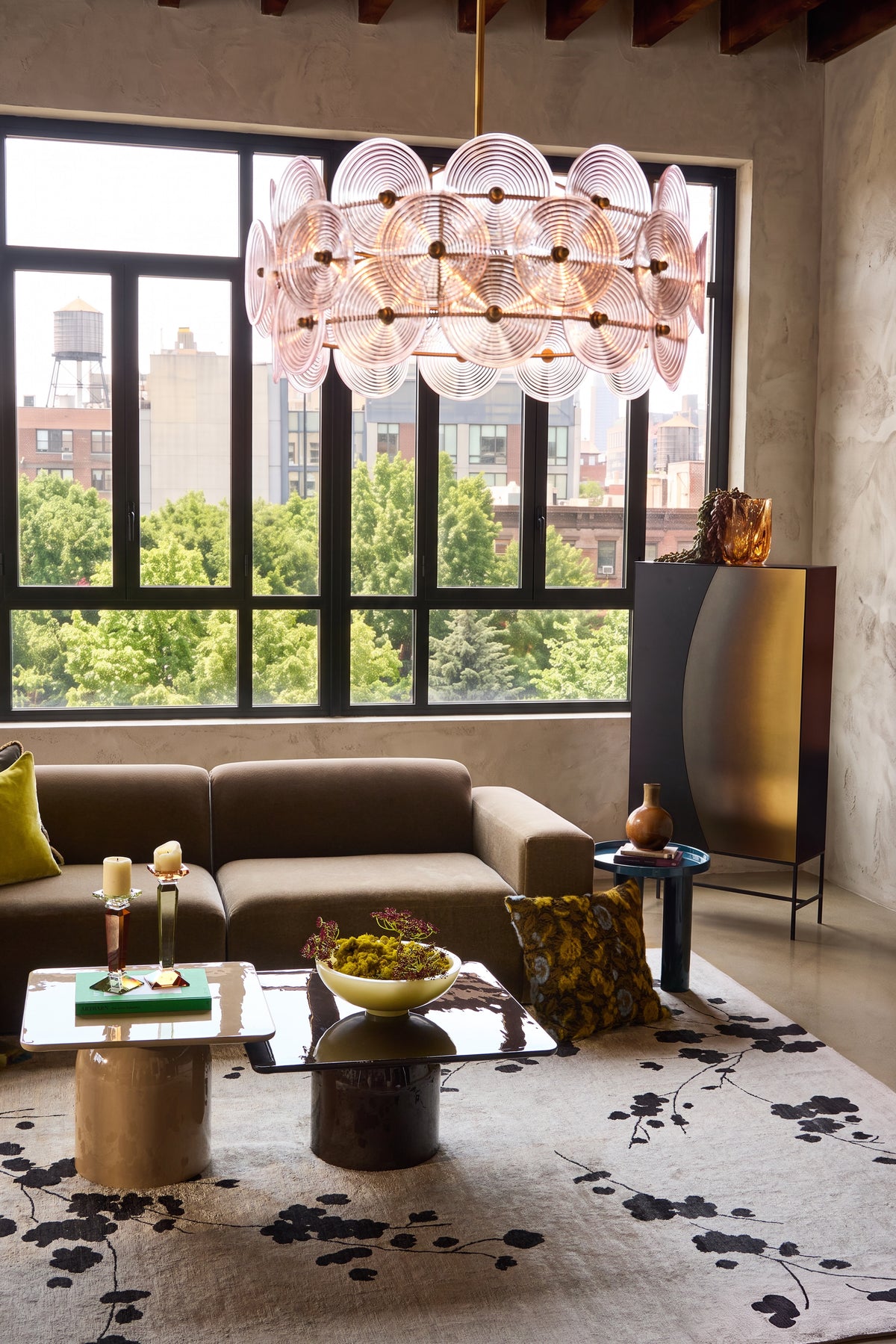
The Layers of Fall
Shop the Fall Collection →
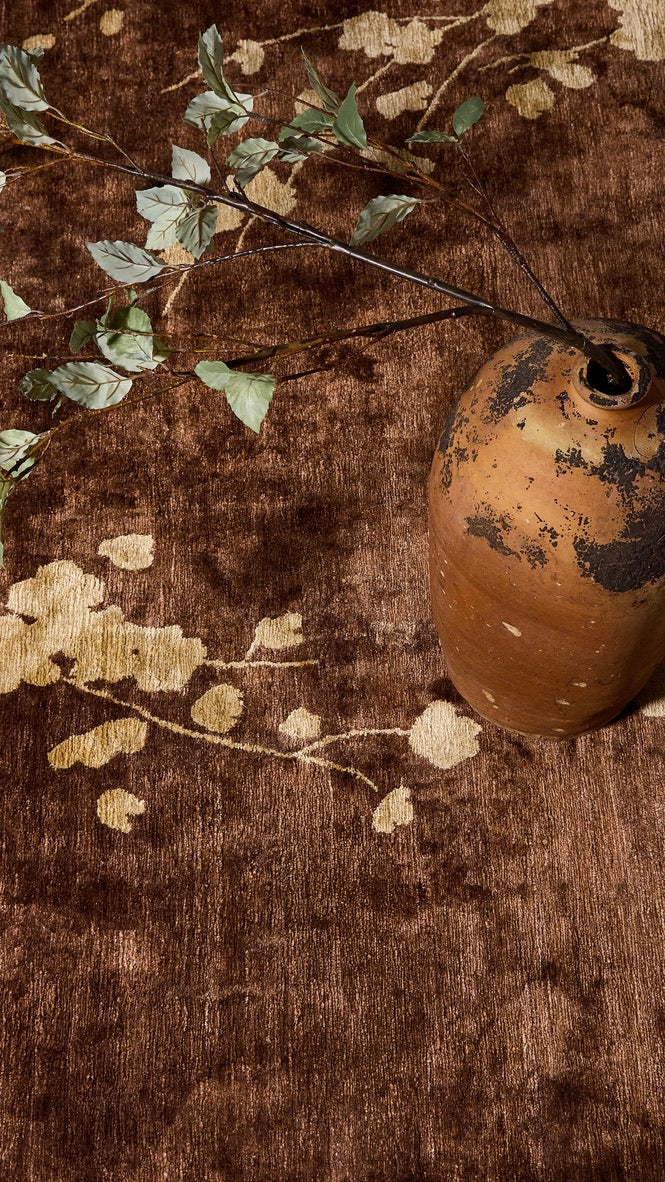
World of Wonder
Discover Rugs →
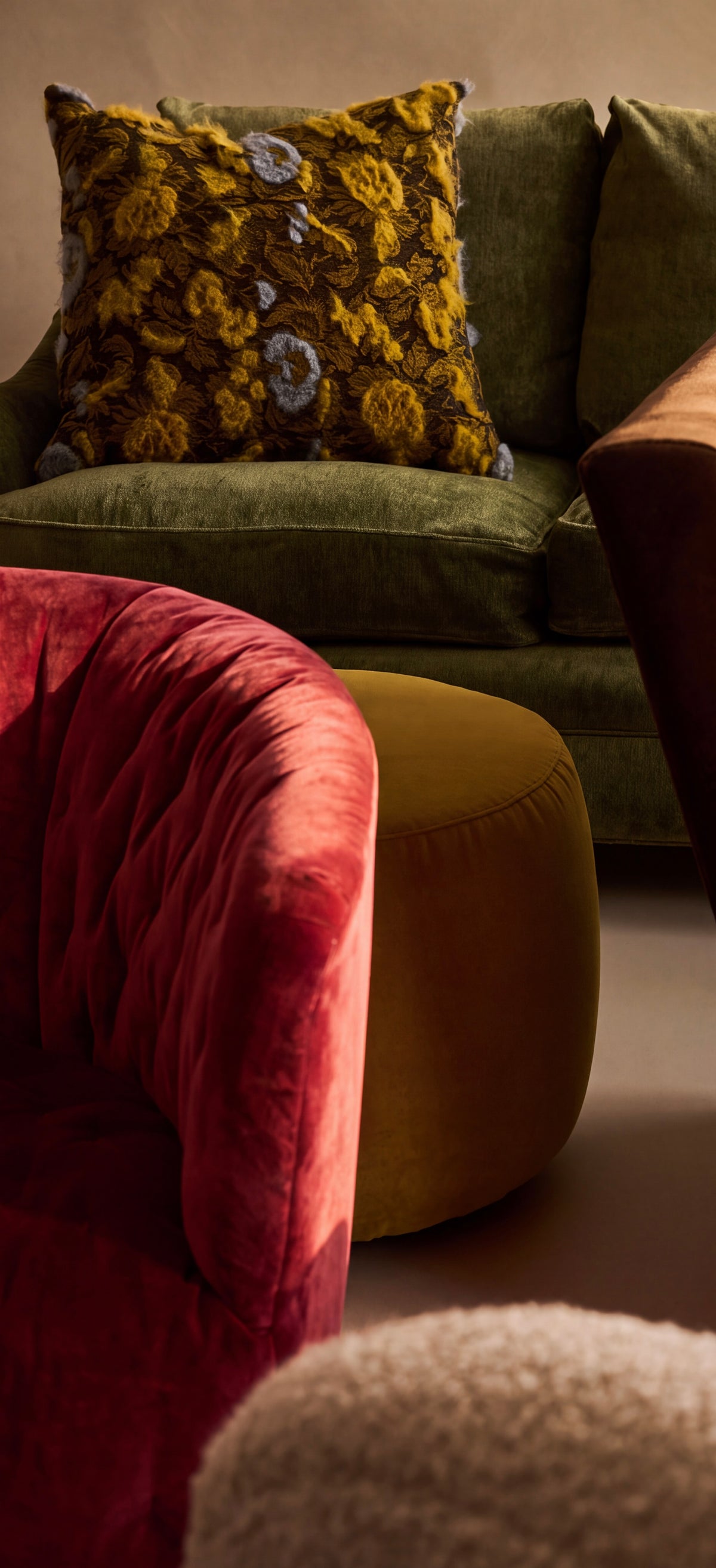
The Custom
Upholstery Sale
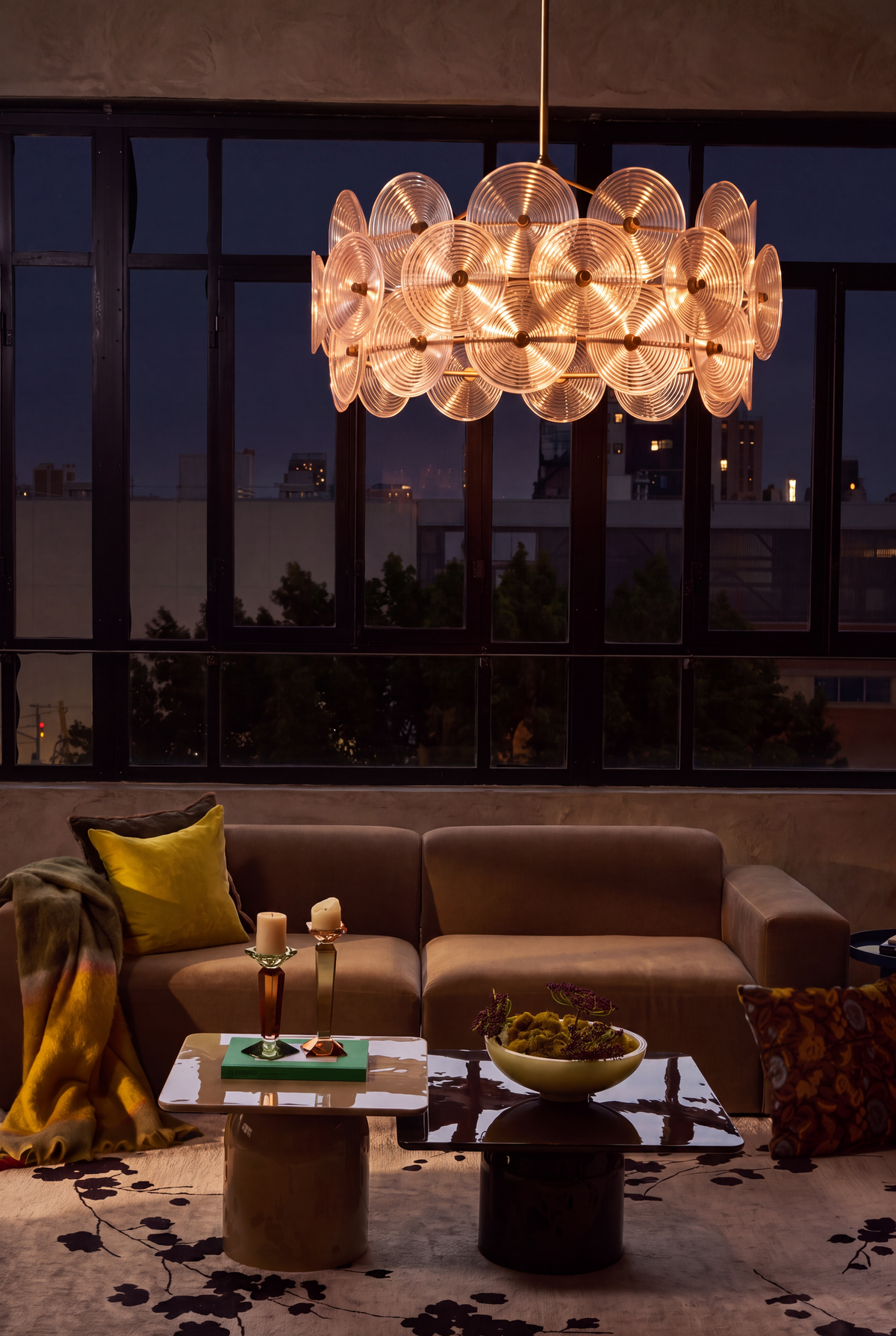
Illuminate the Heart of Home
Discover Lighting →
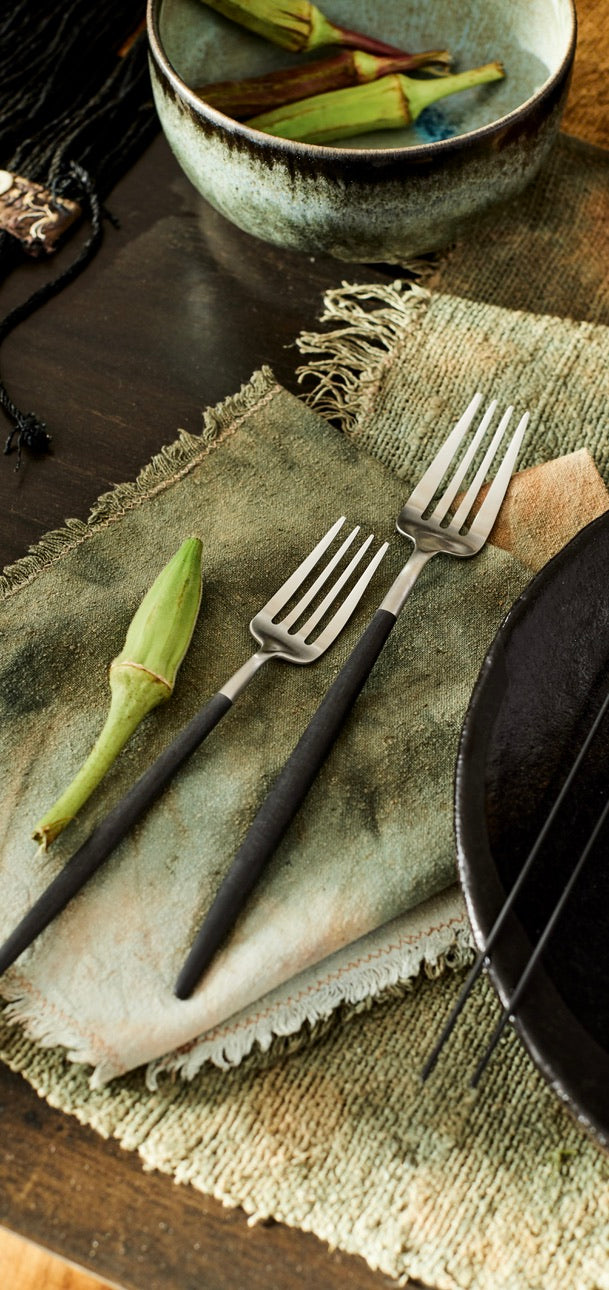
The Art of Gathering
Discover Kitchen & Dining →
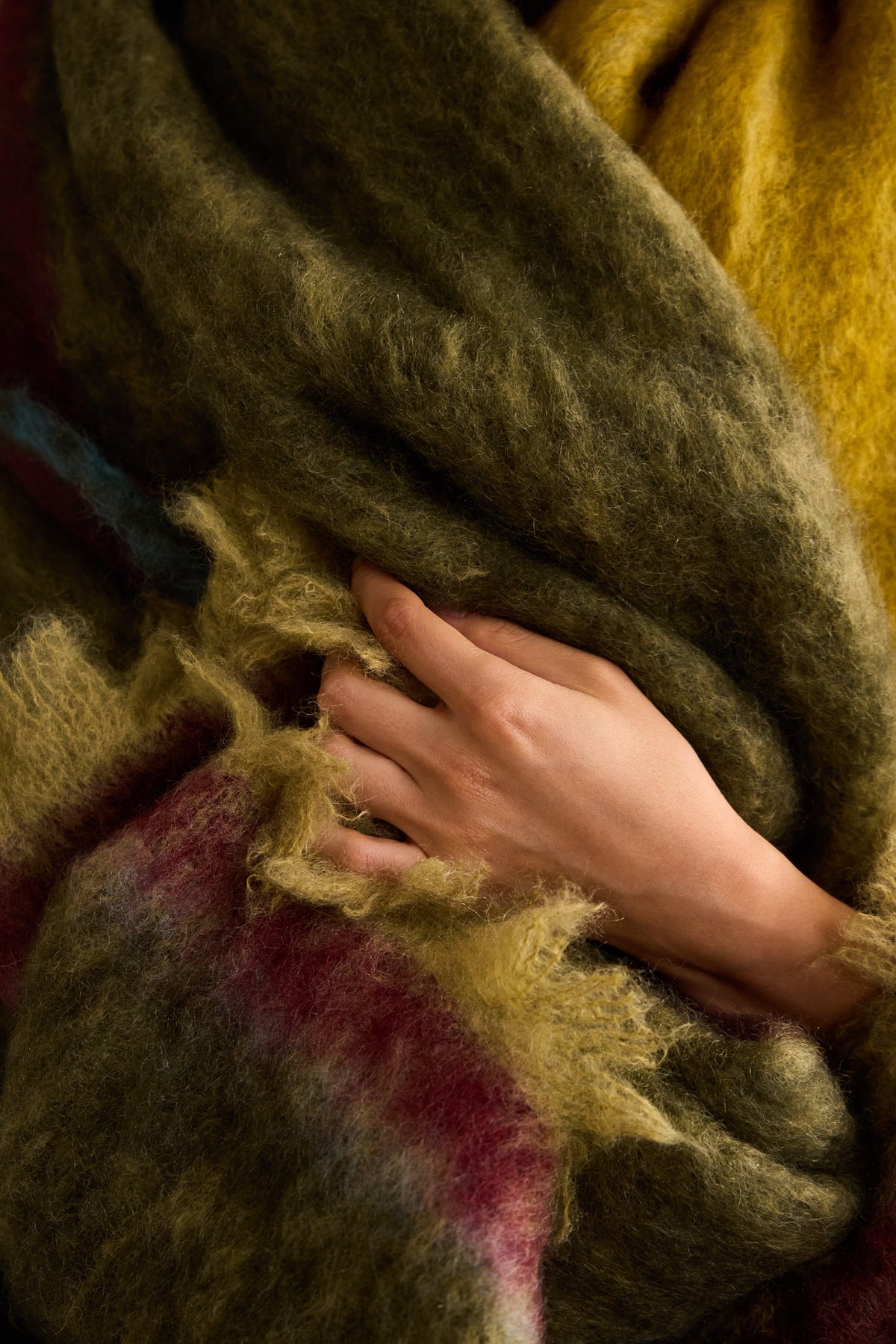
Dreams in Design
Discover Bed & Bath →
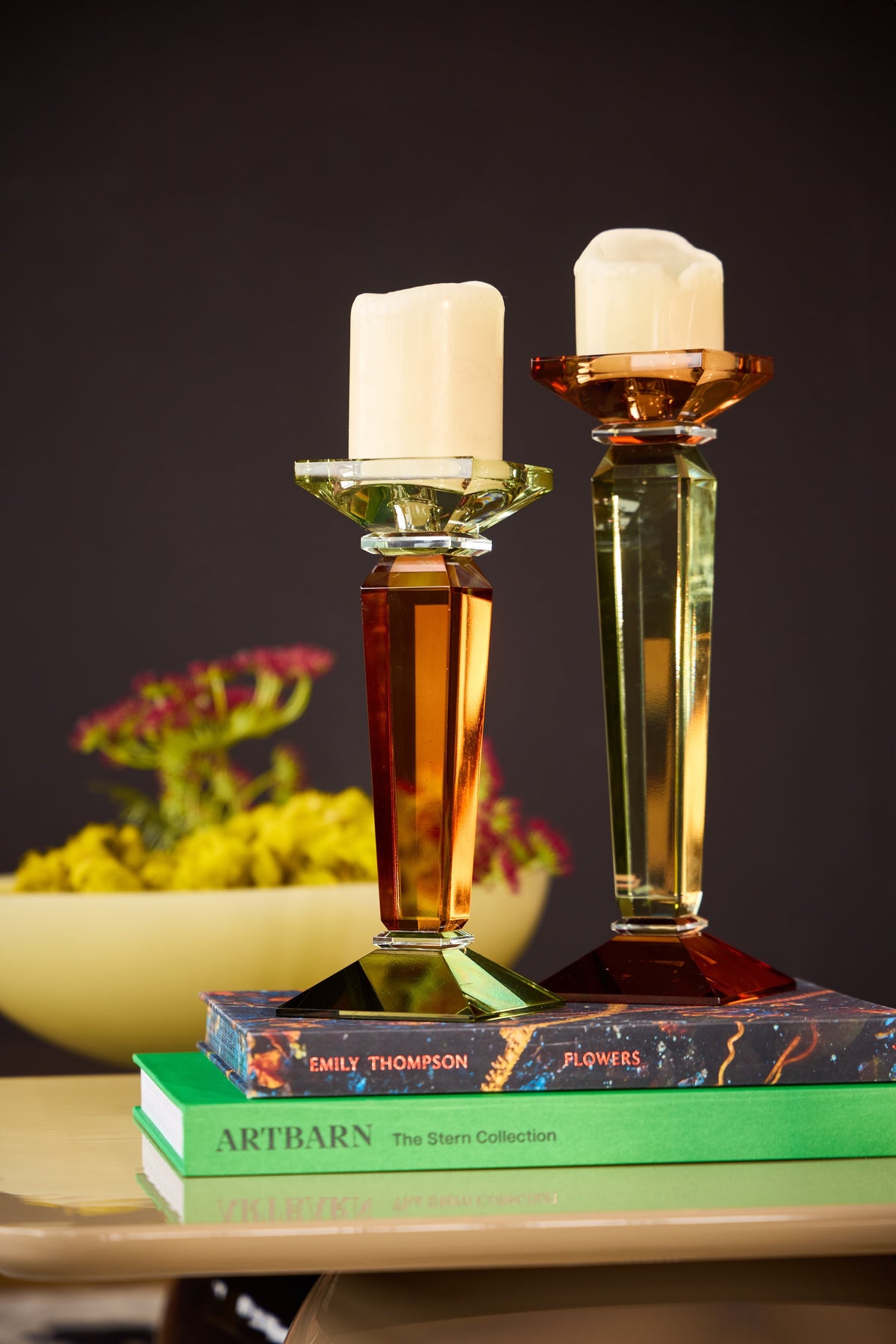
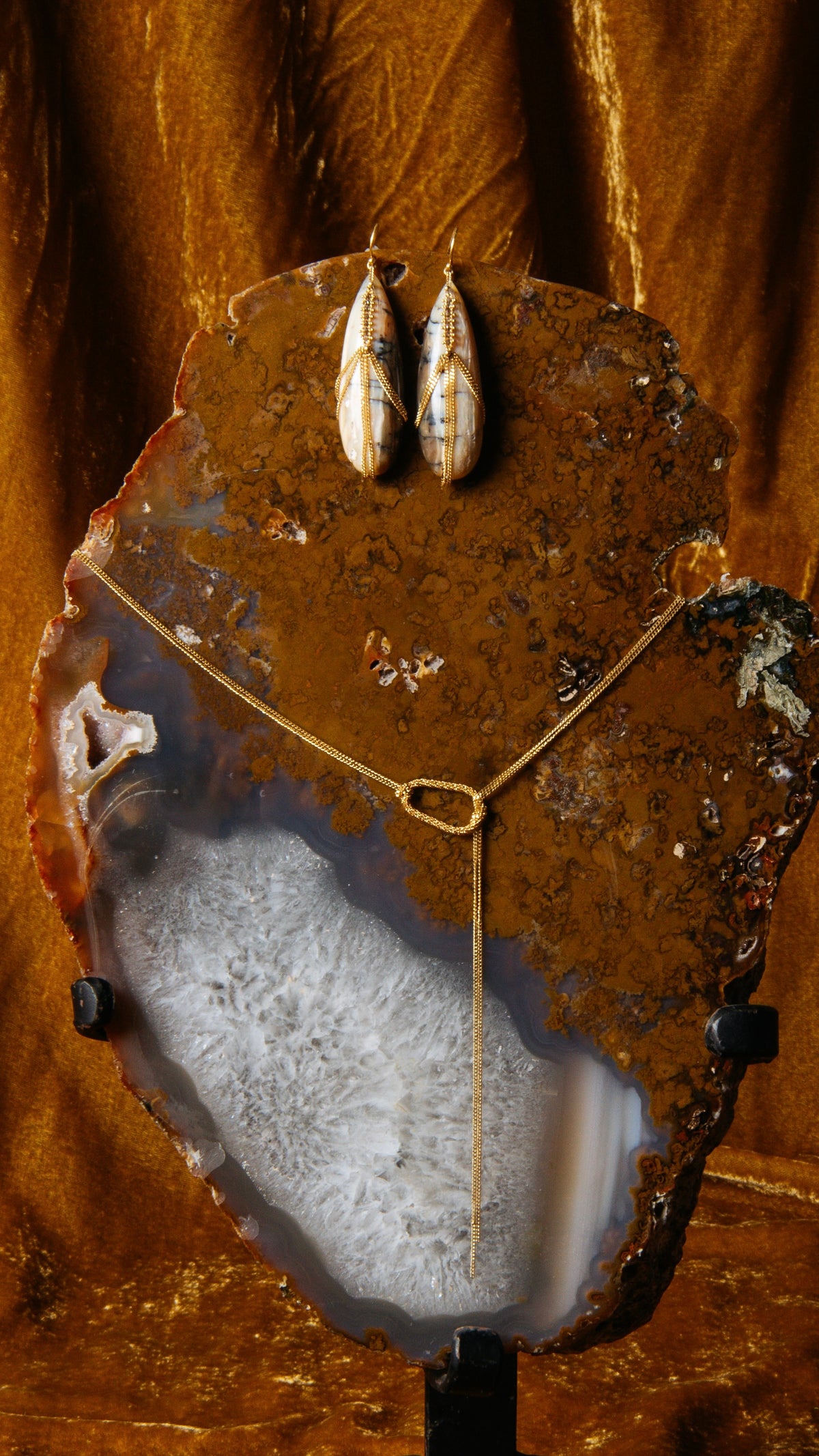
Timeless Treasures
Discover Jewelry →
Celebration of Savings
Explore Sale →Each color collection includes a mix of rug types, from traditional and vintage to modern, Moroccan and overdyed. The notes below cover how each color tends to behave in a room and what it pairs well with.
Blue rugs are among the most versatile colors in a rug collection. Deep navy and indigo read almost like a neutral and ground a room; paler blues feel light and airy. Blue pairs easily with white walls, warm wood, brass and leather. For a softer, layered look, blue overdyed rugs show a faint vintage pattern beneath the color.
Green rugs bring an outdoor, natural feel inside. Sage and olive tones are quiet enough for bedrooms and living rooms; emerald and deep green make a richer statement. Green works especially well with natural wood, rattan, cream upholstery and plants. It's also a common color in overdyed rugs.
Red rugs add warmth and energy, and red is the classic ground color of many traditional rugs with Persian-inspired medallions and florals. Brick and rust reds feel relaxed and earthy; true reds and crimson feel more formal. Red suits living and dining rooms where you want a welcoming, lively feel.
Neutral rugs in ivory, cream, beige and taupe are the easiest to live with and the simplest to style around. They let furniture, art and pillows carry the color. Look to cream-ground Beni Ourain Moroccan rugs for plush texture, or solid and textured rugs for tonal depth without pattern.
Multicolored rugs combine several hues in one design, which makes them useful for tying together a room that already mixes colors. They're also forgiving: busy color and pattern disguise everyday wear and small spills. Colorful Azilal Moroccan rugs and patchwork overdyed rugs are two expressive examples.
Pink rugs range from soft blush, which works almost like a warm neutral, to saturated rose and fuchsia. Pink pairs well with green, grey, navy and natural wood. Boujad Moroccan rugs and pink overdyed rugs are two of the boldest options for adding color with character.
Purple rugs add a jewel-toned richness that feels both traditional and modern. Plum and aubergine suit dens, bedrooms and formal rooms; lavender and lilac feel lighter and softer. Purple pairs well with grey, gold, cream and deep green.
Grey rugs are a cooler alternative to beige neutrals. Light dove grey keeps a room bright; charcoal adds weight and definition. Grey works well in modern and minimalist rooms, with black and white furniture, chrome or steel, and as a calm base under colorful upholstery.
Brown rugs bring warmth and an earthy, grounded feel. Camel, chocolate and rust-brown tones work with wood furniture, leather and warm lighting. Darker browns are practical in busy rooms because they show less soil than pale neutrals.
Orange rugs in terracotta, rust and burnt orange add warmth without shouting. They sit naturally with wood, clay, cream and olive, and blue is their classic contrast. Boujad Moroccan rugs often feature saturated oranges alongside pinks and reds.
Black rugs bring graphic contrast and a strong modern edge. Black-and-white designs, from linear Beni Ourain patterns to contemporary rugs, anchor light rooms and pale floors. Solid black shows lint and pet hair easily, so patterned or mixed-tone black rugs are more practical for everyday rooms.
Yellow rugs brighten rooms that get little natural light. Ochre, mustard and saffron feel warm and slightly vintage; paler yellows feel fresh. Yellow works well as an accent against grey, navy or white, and in smaller sizes it adds color without taking over the room.
Silver rugs sit between cool grey and a soft metallic. Rugs with silk or blended fibers catch the light and add a subtle sheen, which makes rooms feel more open. Silver pairs well with white, charcoal and navy, and with warmer accents like gold or blush.
Choose a neutral rug if your furniture, walls or art already bring the color, or if you like to change pillows and accessories often. Choose a bold rug when the room feels flat or when you want the rug to set the palette. If you're unsure, a mid-tone color like soft blue, sage or a muted red offers color without committing a room to one look.
For a calm, cohesive room, pick a rug that shares one or two colors with your sofa, chairs or curtains. For more energy, choose a rug that contrasts: a light sofa on a dark rug, or warm furniture on a cool-toned rug. Either way, repeating the rug's colors in two or three small accents, like pillows, a throw or artwork, ties the room together.
A multicolor rug is often the easiest starting point for a new room, because it gives you a ready-made palette. Pick two or three colors from the rug and use them for upholstery, pillows and walls. Multicolor rugs also hide wear well, which makes them a smart choice for family rooms and high-traffic areas.
In rooms with light walls and pale floors, a darker or more saturated rug adds depth and stops the space from feeling washed out. In darker rooms, or rooms with deep wood floors, a lighter rug brightens the space and makes it feel larger. Contrast with the floor also matters: a rug close to the floor's color will blend in, while a contrasting one will stand out.
If you want the rug to be the first thing people notice, go bold in color or pattern and keep the furniture around it simpler and quieter. A rug with a saturated color, like red, pink or a vivid overdyed tone, works best when surrounding pieces don't compete with it.
Living rooms carry the most furniture and the most color decisions, so the rug often anchors everything. Neutral, blue and multicolored rugs are the most flexible choices here. Red and rust tones add warmth to traditional rooms. Most living rooms need an 8x10 or 9x12 rug so the front legs of the seating can sit on it.
Bedrooms usually benefit from softer, calmer colors: neutrals, soft blues, sage greens, blush pinks and silver-greys. Plush, high-pile rugs in pale tones feel comfortable underfoot. If the bedding is patterned or colorful, a quieter rug keeps the room restful.
Dining rugs take more spills and chair movement, so mid-tone and patterned colors work best. Reds, browns, blues and multicolored rugs hide stains better than pale neutrals. Choose a rug large enough that chairs stay on it when pulled out.
Entries and halls see the most foot traffic and dirt. Darker colors, patterned designs and multicolored rugs disguise wear best. A runner rug in a bold color is also an easy way to add personality to a space that's often overlooked.