









Imagine finding a dining table you have wanted for months, only to realize that buying it leaves little room in your budget for the chairs, lighting, and rug you had planned to add. This is the trade-off behind a major furniture purchase. The price of one piece matters, but so does everything that must happen around it.
Black Friday can be a useful time to invest in furniture, provided you decide what deserves the money before the discounts start influencing your choices. A clear purchasing strategy helps you create a room in stages, without sacrificing the overall design to an attractive offer.
Choose the Purchase That Solves the Biggest Problem
Look at the room as it exists today. What prevents it from working well?
If the seating is uncomfortable for guests, a sofa may deserve priority. If the room contains good furniture but still feels unfinished, an area rug could make a greater difference. If meals are regularly shared with family and friends, a dining table that accommodates everyone may be the most useful investment.
Write down the problem you want to solve before browsing sale collections. This gives you a practical reason to buy a particular item instead of choosing it simply because its price has dropped.
Calculate the Cost of Completing the Room
The price of your main purchase is only one part of the spending involved. A new sofa might require a rug of a different size. A dining table may need additional chairs. A statement light fixture could require professional installation.
Consider a hypothetical living room with a total budget of $4,000. You might allocate $2,000 to the sofa, $800 to a rug, $400 to lighting, $300 to occasional furniture, and $500 to delivery and other expenses. The amounts can change according to your needs, but planning the entire expenditure helps prevent one purchase from consuming the money required for everything else.
Before placing an order, calculate the remaining budget rather than judging the purchase in isolation.

Make the First Piece the Design Reference
Once the main item is selected, use its physical characteristics to guide later purchases.
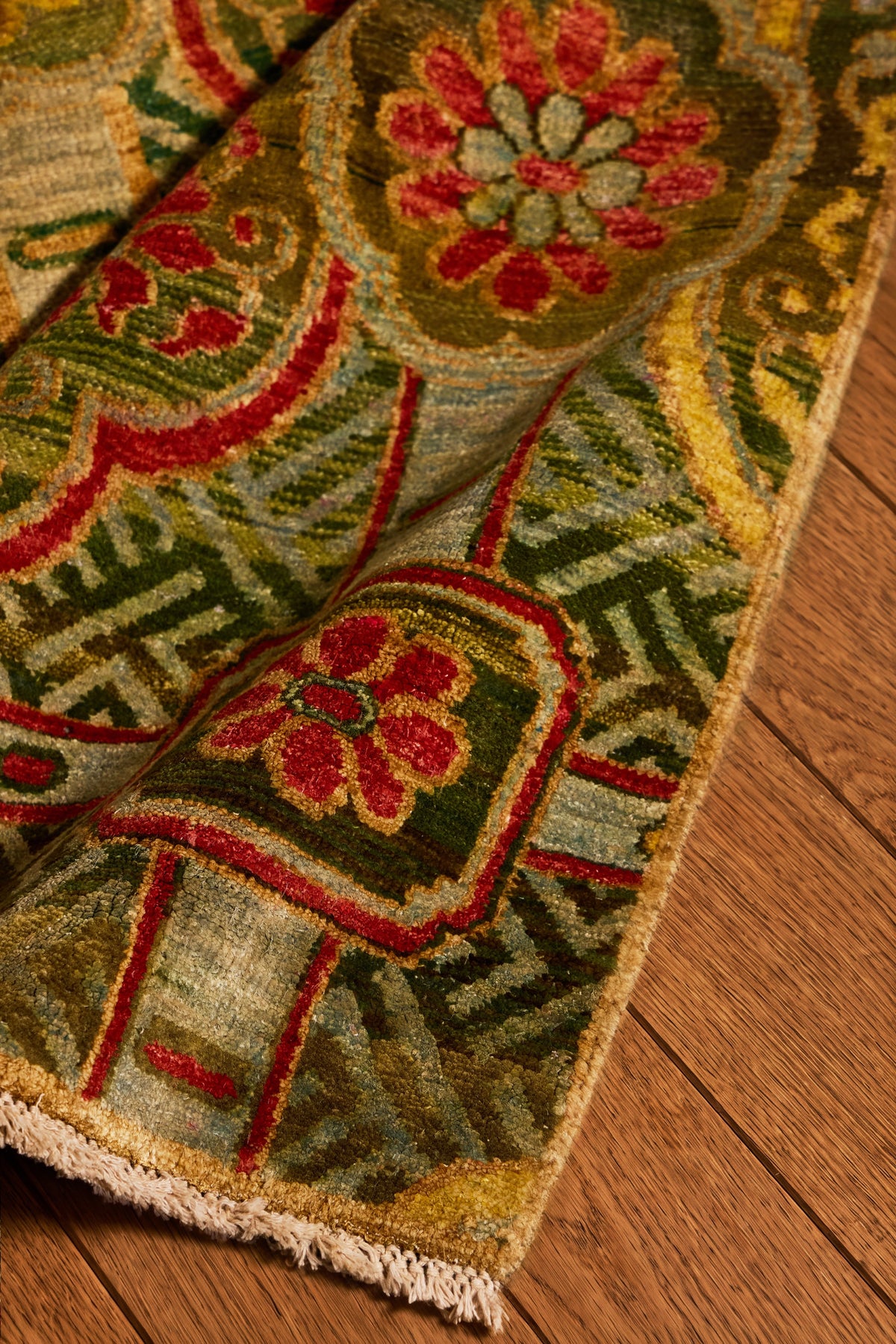
A sofa with prominent curves may pair better with a simple coffee table than with another sculptural piece. A rug featuring several colors can provide a palette for cushions, artwork, or curtains. A dining table with a strong grain or distinctive finish may look best with chairs that introduce contrast rather than repeat the same material.
The objective is not to reproduce a matching furniture set. It is to make deliberate choices about what sits beside the main piece.
Compare the Offer With the Actual Value
A large percentage discount can distract from questions that matter more over the life of a furniture purchase.
Check the current selling price, product dimensions, construction details, upholstery or surface material, and availability. Where possible, compare the sale price with the item's earlier price. Review delivery charges and the terms attached to the promotion as well.
abc carpet & home's seasonal promotions may include selected rugs, sofas, sectionals, tables, lighting, and decorative pieces. The discount and availability depend on the individual item, so check the current listing rather than assuming every product has the same offer.
If the discounted item does not meet your requirements, the lower price is not a reason to compromise.
Check the Room Before Committing
A furniture purchase should be evaluated against the actual dimensions of your home, not just the measurements listed on a product page.
For a sofa, check its width, depth, and height, along with the room needed to walk around it. For a dining table, allow space for chairs to be pulled out. For a rug, consider the furniture arrangement that will sit on it and the amount of exposed flooring you want to retain.
Large items also need a clear delivery route. Measure doorways, corridors, staircases, and elevators where relevant. A piece that fits the room but cannot pass through the entrance can create an expensive problem.
Decide What Can Be Purchased Later
The room does not have to be finished when the sale ends.
After the main piece arrives, you may discover that a side table is unnecessary or that the existing curtains work better than expected. You might need a floor lamp rather than a table lamp or a smaller rug than the one you originally considered.
Leave flexible purchases until you can assess the room in person. This reduces unnecessary spending and gives the design space to develop naturally.

Balance the New Purchase With What You Already Own
Replacing everything at once is rarely essential. An existing wooden chair may complement a new upholstered sofa. A treasured artwork might provide the color needed to connect a rug with the rest of the room. A familiar side table could remain useful even when the larger furniture changes.
Keeping selected pieces also allows the room to retain some personal history. The result can feel more individual than an interior assembled entirely from new purchases.
Know When Not to Buy
Sometimes the strongest purchasing decision is to wait.
If the furniture is the wrong size, the material is unsuitable for everyday use, or the price still exceeds your budget, a sale does not resolve those issues. The same applies when you have not yet decided how the room will function.
A short delay can prevent a costly purchase that you later need to replace.

Turn One Purchase Into a Thoughtful Plan
A Black Friday furniture investment works best when it has a clear purpose and a realistic place in your budget. Choose the item that addresses your most important need, assess its full cost, and use its design to inform the pieces that follow.
At abc carpet & home, exploring furniture and rugs alongside lighting and décor can help you consider how individual pieces might work together. You can make the principal purchase during the sale and complete the room as the right additions become available.
The goal is not to buy an entire room at a discount. It is to spend wisely on the piece that matters most, then make every subsequent purchase earn its place.
Frequently Asked Questions
What furniture is worth splurging on during Black Friday?
Spend the most on the piece that solves your room's biggest problem and gets the most daily use, usually a sofa, a dining table or a large area rug. These pieces set the room's scale and style, so the other purchases can follow from them.
How should I budget for a room built around one big purchase?
Set a total budget for the whole room before you buy the main piece, then divide it up. In a $4,000 living room, for example, you might put $2,000 toward the sofa and split the rest between a rug, lighting, side tables and delivery.
Should I buy everything for a room during the Black Friday sale?
No. Buy the main piece during the sale and leave flexible items, such as side tables, lamps and accessories, until it arrives. Once you see it in the room, it's easier to tell what you actually still need.
How do I choose pieces to go with a statement sofa, rug or table?
Use the main piece as your design reference. Pull colors from a patterned rug for cushions and art, pair a curved sofa with simpler tables, and add contrast next to a distinctive wood or finish instead of repeating it.
What should I check before buying furniture on sale?
Check the dimensions, construction, materials, current availability and the item's earlier price. Include delivery charges and any promotion terms, and measure doorways, hallways, stairs and elevators so the piece can reach the room.
Do I need to replace my existing furniture when I buy a new statement piece?
No. Existing chairs, side tables and artwork can often work well beside a new sofa or rug, and keeping them helps the room feel personal rather than bought all at once.
When should I skip a Black Friday furniture deal?
Skip it if the piece is the wrong size, the material won't suit everyday use, the price is still over your budget, or you haven't decided how the room will be used. A discount doesn't fix any of these problems.