Made in France: Ceramics, Tableware & Home Fragrance
The table is where French decorative craft shows up most. This collection gathers pieces actually manufactured in France - not just designed there - led by hand-glazed ceramics and tableware from Astier de Villatte, the Paris atelier known for its uneven, hand-applied black glaze, alongside French fragrance, linens, and a small edit of vintage jewelry. Because each piece is glazed and fired by hand, small variation from piece to piece is expected - it’s the craft, not a flaw.
What’s in the Collection
Tableware & ceramics: the core of this collection - dinner plates, bowls, mugs, platters, and vases, most from Astier de Villatte, with additional pieces from La Romaine Editions and Les Tables d’Eva. Browse the full range under Kitchen & Dining.
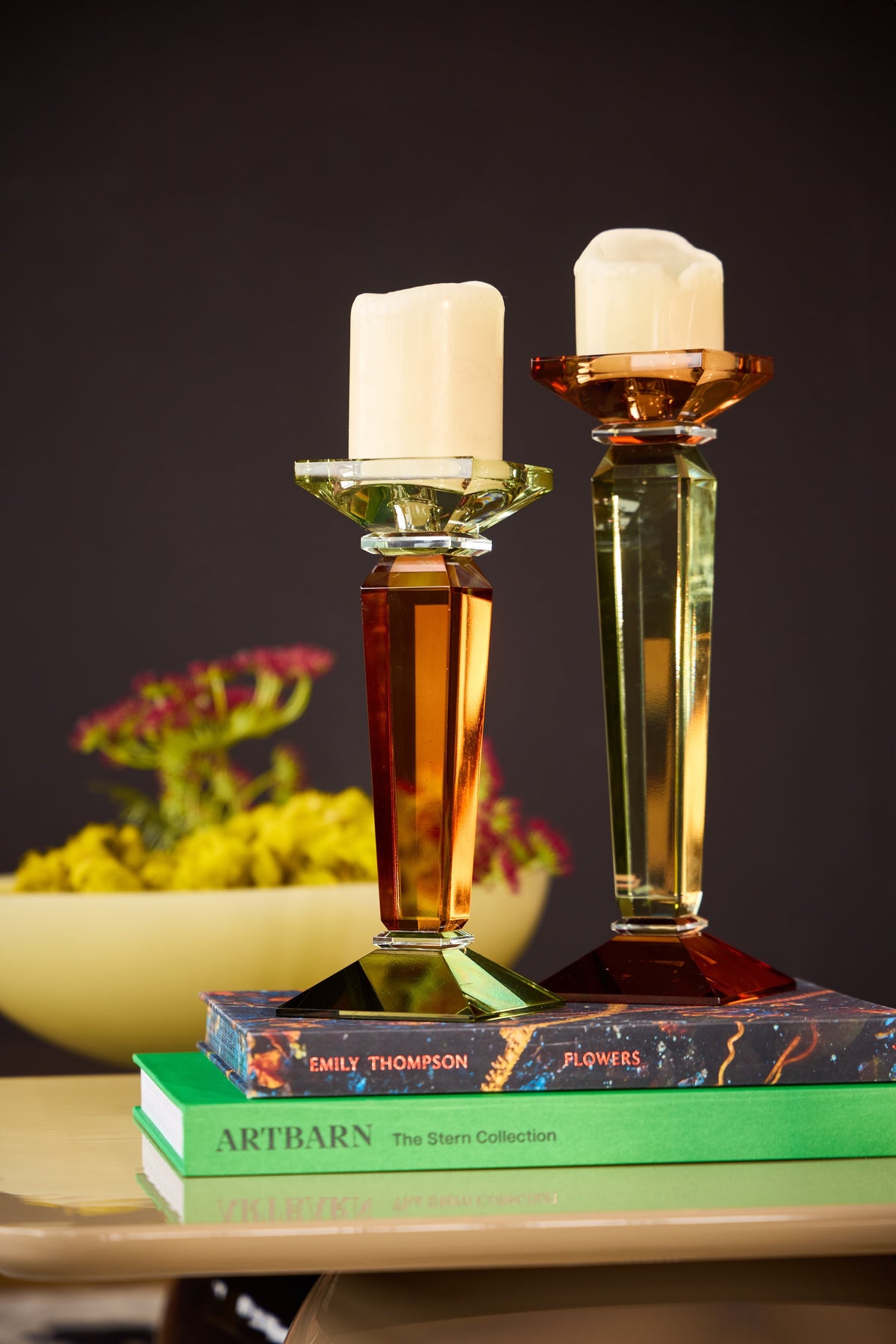
Fragrance & candles: hand-poured candles and eau de parfum from Astier de Villatte and Liberty, sized for a room rather than a whole house. See the wider range under Décor & Gift.
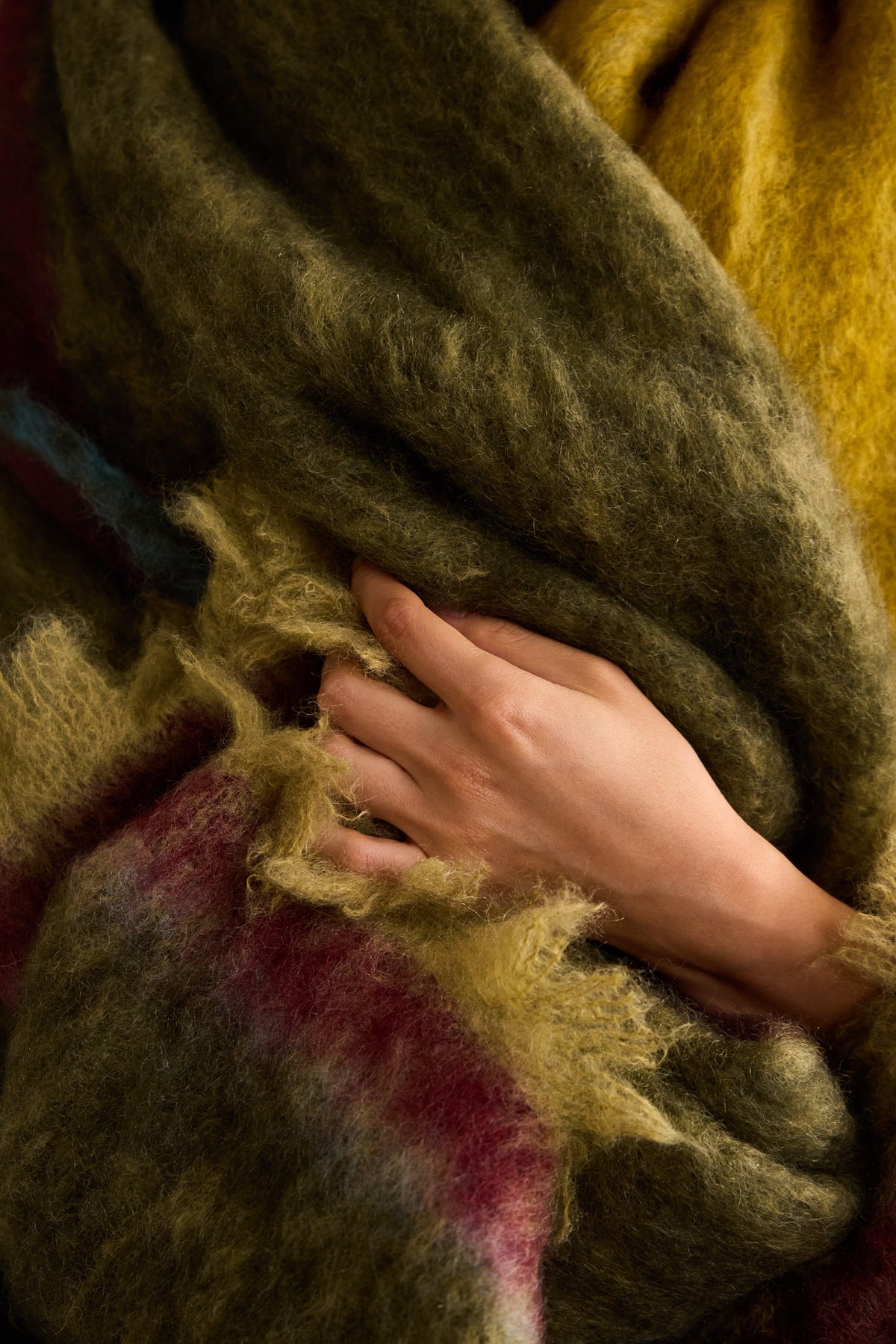
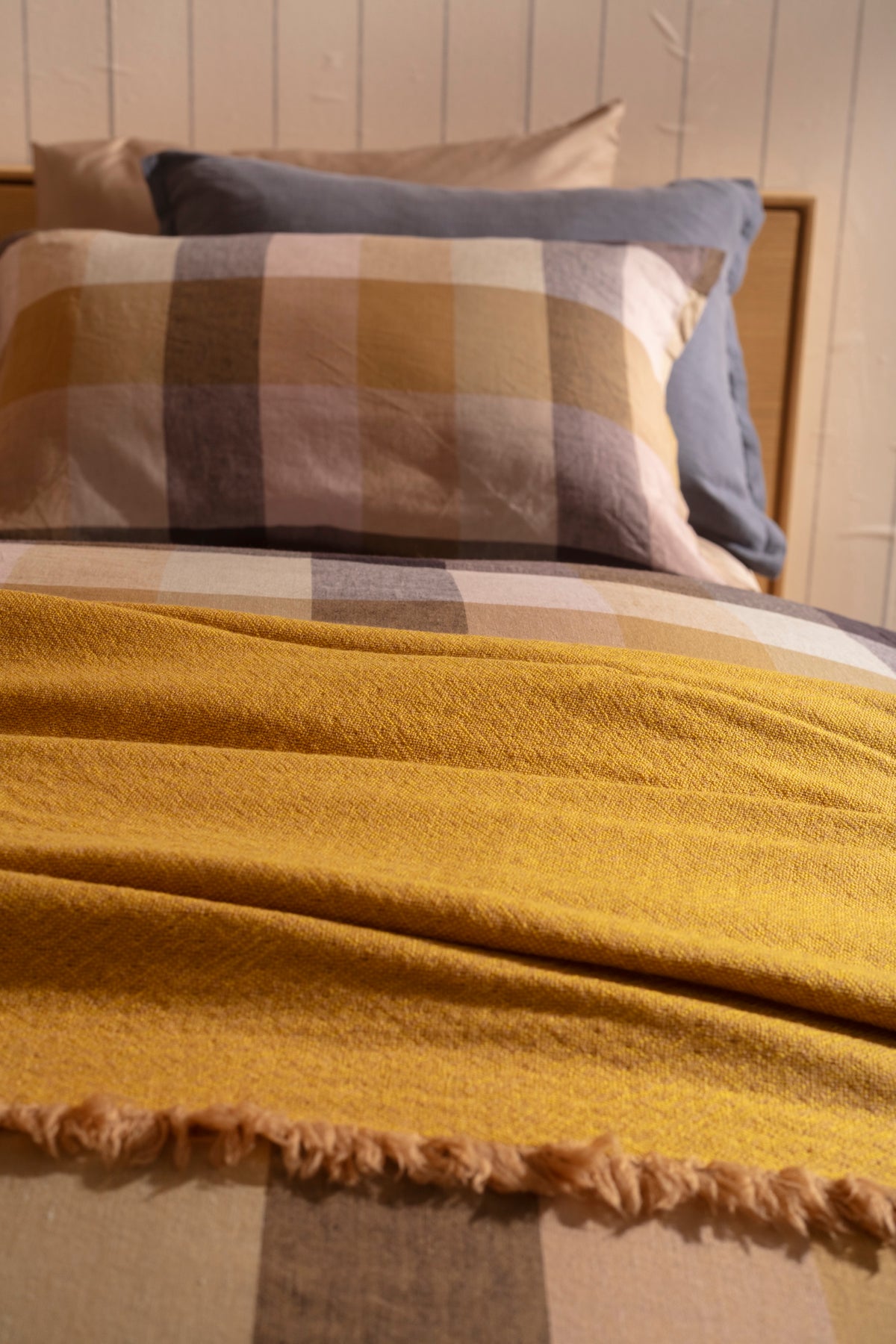
Linens & pillows: washed linen throws, dish towels, and decorative pillows from Maison de Vacances and Linge Particulier - soft-structured textiles rather than heavily patterned ones.
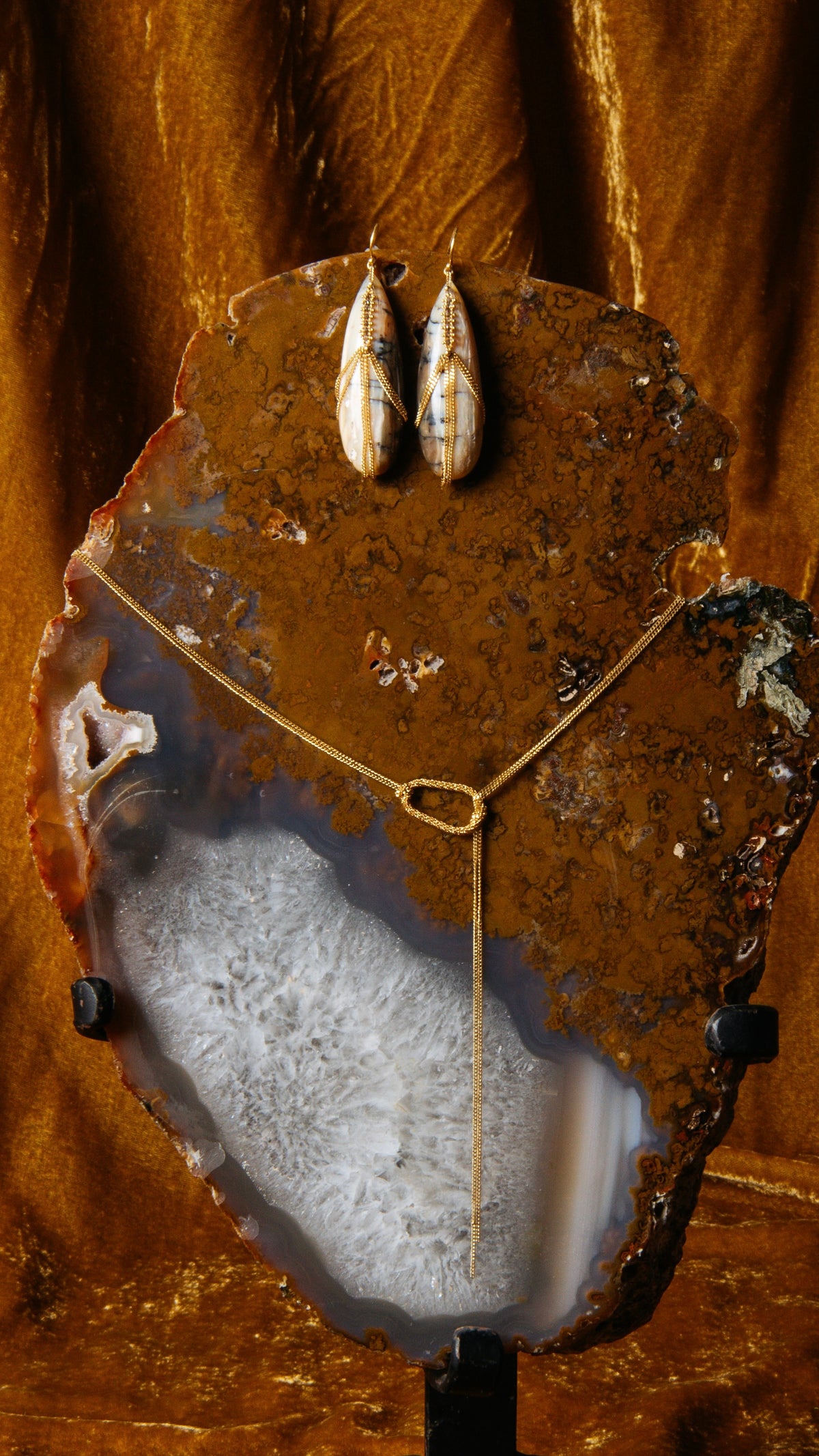
Vintage jewelry: a small, rotating edit of vintage French pieces, sourced rather than manufactured to order - see the full range under Jewelry.
Why Hand-Glazed Ceramics Cost More - and Vary Piece to Piece
Hand-glazed French ceramics cost more than machine-glazed dinnerware for a straightforward reason: each piece is dipped, brushed, or finished by hand rather than sprayed uniformly by machine, which takes longer and can’t be scaled the same way. The trade-off is variation - glaze pooling, brush marks, and slight color shifts are expected from piece to piece, not a quality issue. Because finishes and care requirements vary by maker, always check the individual product page before washing or microwaving a piece.
Building a Table with French Pieces
The easiest way to bring these pieces into a table setting is to mix, not match - Astier de Villatte’s plates are designed to be layered with plainer glassware and linen rather than used as a full matched set. Start with one serving piece or a stack of dinner plates, add a textured linen runner or napkins, and let the ceramics carry the color and texture rather than trying to coordinate every piece.
Shop Made in France
Explore the full collection below, or start with a category: Kitchen & Dining for tableware, Décor & Gift for fragrance and objects, and Jewelry for the vintage edit. Read more about how we source globally on abcStories.
Frequently Asked Questions
What is Astier de Villatte?
Astier de Villatte is a Paris-based ceramics atelier known for hand-glazed, black-clay dinnerware, drinkware, and objects with an intentionally uneven, artisanal finish - each piece is made and glazed by hand rather than machine-produced.
Why do hand-glazed ceramics look slightly different piece to piece?
Because the glaze is applied and fired by hand, small variations in color, texture, and glaze pooling are expected and considered part of the craft, not a defect. No two hand-glazed pieces from the same design are perfectly identical.
What does “Made in France” actually mean on a product label?
It means the item was manufactured - not just designed - in France. “Made in France” specifically certifies the manufacturing took place there, distinct from “French-inspired,” which describes a style regardless of where an item is made.
Are hand-glazed French ceramics dishwasher or microwave safe?
Care requirements vary by maker and glaze, so this should be confirmed on each individual product page rather than assumed - hand-finished ceramics often carry different care instructions than standard machine-glazed dinnerware.
How do I mix French ceramics into an existing table setting?
The most common approach is to add one or two pieces - a serving platter or a stack of dinner plates - into an otherwise simple table setting, rather than replacing an entire set at once, so the hand-glazed texture stands out against plainer glassware and linen.